Source Eco Friendly Modern Beach Umbrella for Beach, Garden, and Advertising
Find 30 eco friendly modern beach umbrella options for beach relaxation, garden shade, and advertising purposes. Compare iron and aluminum alloy frames, polyester fabrics, and customization features like logos and sizes to find the right supplier; compare the available evidence and request quotations based on your requirements.
Key considerations
Products List


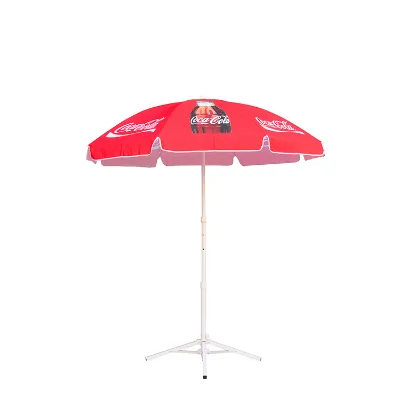


Comprehensive Sourcing Guide
Eco Friendly Modern Beach Umbrella Sourcing Guide
Sourcing eco-friendly modern beach umbrellas requires balancing aesthetic appeal with sustainable material choices and functional durability. Buyers must navigate a market where "eco-friendly" is often a marketing term rather than a verified specification. The observed product landscape includes various frame materials such as iron, aluminum alloy, and even stainless steel, alongside fabric options primarily made from polyester. While some listings highlight anti-UV properties, true sustainability often depends on the dyeing processes, fabric recycling content, and the longevity of the structural components. Procurement teams should prioritize suppliers who can provide transparent data on material sourcing and end-of-life recyclability, ensuring that the "modern" design does not compromise environmental integrity.
The term "modern" in this category typically refers to sleek folding mechanisms, minimalist color palettes, and innovative handle designs, ranging from long ergonomic grips to short, compact options. Observed models include specific product codes like U5027, U6002, and various beach-specific identifiers such as RG0015-2 and Beach Umbrella-058H. These variations suggest a diverse inventory catering to different use cases, from garden settings to direct beach deployment. Buyers should verify whether the modern aesthetic is achieved through durable, high-quality manufacturing or if it relies on fragile components that may fail under high wind conditions. Understanding the specific structural design is crucial for determining the umbrella's suitability for commercial rental programs or high-traffic retail environments.
Product Scope and Observed Listing Signals
The current market signals indicate a wide range of product types, including garden umbrellas, beach umbrellas, and advertising umbrellas, with customization being a widely available feature. Listings show that frame materials vary significantly, with iron and aluminum alloy being common, while some specialized models utilize stainless steel or even wooden and straw elements for aesthetic purposes. The fabric is predominantly polyester, often treated for anti-UV protection, which is a critical feature for beach applications. Buyers should note that while "eco-friendly" is a desired attribute, the actual material composition must be verified against the supplier's technical data sheets to ensure it meets specific sustainability criteria, such as recycled content or non-toxic treatments.
Pricing and minimum order quantities (MOQs) observed in the market range from $2.70 to $1,508 USD, with MOQs varying from 1 to 3,000 pieces. This broad range suggests that buyers can find options for both small-scale boutique orders and large-scale corporate branding campaigns. The presence of customized logos and sizes indicates that many suppliers are equipped for OEM services, allowing for brand-specific designs. However, the significant price disparity implies that factors such as frame material quality, fabric density, and additional features like wind resistance or UV protection ratings heavily influence cost. Procurement teams should align their budget with the required performance level, avoiding the temptation to select the lowest price point without verifying the underlying material quality and construction standards.
Technical Specifications to Verify
When evaluating technical specifications, the frame material is a primary determinant of durability and weight. Aluminum alloy frames are often preferred for beach umbrellas due to their lightweight nature and corrosion resistance, whereas iron frames may offer greater structural rigidity but are prone to rust if not properly coated. Buyers should verify the thickness of the ribs and the quality of the joints, as these are common points of failure. Additionally, the umbrella handle design, whether long or short, impacts user comfort and portability. For modern designs, the folding mechanism should be tested for smooth operation and resistance to jamming, ensuring that the umbrella can be easily deployed and stored in high-turnover environments.
The fabric specification is equally critical, with polyester being the standard material. Buyers must confirm the denier count and any special coatings applied to enhance water repellency or UV protection. The observed "Anti UV" attribute suggests that many products offer some level of sun protection, but the specific UPF rating should be requested to ensure adequate safety for beachgoers. Furthermore, the packing method, whether in carton boxes, PE bags, or customized packaging, affects shipping efficiency and product protection during transit. Buyers should also consider the folded size relative to the open diameter, as this impacts storage requirements and the overall user experience. Verifying these details ensures that the product meets both functional and logistical requirements.
Compliance and Safety Documentation
Compliance with safety standards is essential, particularly for products intended for outdoor use where exposure to sun and wind is significant. While some listings mention standards like CE and SGS, buyers must verify the specific scope of these certifications to ensure they cover the relevant safety aspects, such as structural integrity and chemical safety of the fabric. The EN13758 standard is relevant for garden umbrellas, providing guidelines for stability and safety, and buyers should inquire if their beach umbrella models adhere to similar rigorous testing protocols. It is crucial to request test reports that demonstrate the umbrella's ability to withstand expected wind speeds without collapsing or causing injury, as this is a key liability concern for retailers and rental companies.
Environmental certifications, such as FSC or BSCI, may be relevant if the supplier claims sustainable sourcing practices, although these are not explicitly confirmed for all products. Buyers should ask for documentation that verifies the ethical sourcing of materials and the environmental impact of the manufacturing process. This includes information on dyeing processes, water usage, and waste management. Additionally, if the umbrella is marketed as "eco-friendly," buyers should seek evidence of recycled content in the fabric or frame, or certifications related to biodegradability. Ensuring that the product complies with both safety and environmental regulations helps mitigate risk and aligns with the growing consumer demand for responsible purchasing.
Cost Drivers and Commercial Terms
Several factors drive the cost of eco-friendly modern beach umbrellas, with frame material and fabric quality being the most significant. Aluminum alloy frames are generally more expensive than iron due to material costs and processing requirements, but they offer better longevity and weight savings. Similarly, high-density polyester with advanced UV coatings commands a higher price than standard fabrics. Customization options, such as logo printing, embroidery, or unique color matching, also add to the cost, as they require additional setup and production time. Buyers should analyze the total cost of ownership, considering not just the unit price but also the durability and replacement frequency, which can significantly impact long-term expenses.
Commercial terms, including MOQs and payment conditions, vary widely among suppliers. The observed MOQ range of 1 to 3,000 pieces allows for flexibility, but higher volumes often result in better unit pricing. Buyers should negotiate for volume discounts and clear terms regarding customization fees. Additionally, the packing method can influence shipping costs, with optimized packing reducing freight expenses. It is advisable to request a detailed quotation that breaks down costs for materials, labor, customization, and shipping. Understanding these commercial terms helps buyers make informed decisions and avoid hidden costs that can erode profit margins, ensuring a transparent and fair procurement process.
Supplier Qualification and Quality Control
Supplier qualification is a critical step in ensuring the reliability of the supply chain. Buyers should verify the supplier's manufacturing capabilities, including their production capacity and quality control processes. Factories with in-house testing facilities are preferable, as they can ensure consistent product quality and quickly address any defects. Additionally, suppliers with experience in exporting to your target market are likely to be more familiar with local regulations and customer expectations. It is also important to assess the supplier's responsiveness and communication skills, as these factors can impact the smooth execution of orders and the resolution of any issues that may arise during production or delivery.
Quality control measures should be clearly defined and agreed upon before placing an order. This includes specifying inspection points, such as material verification, assembly checks, and final product testing. Buyers may consider hiring third-party inspection services to conduct pre-shipment inspections, ensuring that the products meet the agreed-upon specifications. Additionally, establishing a clear process for handling defects and returns is essential for maintaining a positive business relationship. By implementing robust supplier qualification and quality control practices, buyers can minimize the risk of receiving substandard products and ensure that their procurement efforts yield high-quality, reliable beach umbrellas.
Long-Term Procurement Checks
Long-term procurement success depends on continuous monitoring of supplier performance and market trends. Buyers should regularly review supplier metrics, such as on-time delivery rates, product quality consistency, and responsiveness to issues. Establishing a scorecard system can help track these metrics and identify areas for improvement. Additionally, staying informed about emerging trends in sustainable materials and design can help buyers stay ahead of the competition. Engaging in regular dialogue with suppliers about future product developments and potential improvements can foster a collaborative relationship and drive innovation. By maintaining a proactive approach to supplier management, buyers can ensure a stable and efficient supply chain.
Market dynamics, including changes in material costs and regulatory requirements, can impact procurement strategies. Buyers should monitor these factors and adjust their sourcing plans accordingly. For instance, if new environmental regulations are introduced, buyers may need to update their supplier requirements to ensure compliance. Additionally, diversifying the supplier base can mitigate risks associated with single-source dependencies. By regularly evaluating the market and maintaining strong supplier relationships, buyers can adapt to changing conditions and continue to source high-quality, eco-friendly modern beach umbrellas that meet their business objectives. This strategic approach ensures long-term value and sustainability in the procurement process.
FAQs
What frame materials are available for modern beach umbrellas?
Modern beach umbrellas are typically constructed using durable iron or aluminum alloy frames. These materials provide the necessary structural integrity to withstand coastal winds while remaining lightweight for easy transport. Buyers can select based on preferred weight and corrosion resistance properties for long-term outdoor use.
Can I customize the logo on these beach umbrellas?
Yes, customized logos are available for advertising and promotional beach umbrellas. Suppliers offer OEM services allowing buyers to apply specific branding through methods like embroidery. This customization supports brand visibility at beaches or events, with minimum order quantities often set at 500 or 1000 pieces depending on the supplier.
What fabric options are used for beach umbrella canopies?
Polyester is the standard fabric used for beach umbrella canopies due to its durability and weather resistance. Many models also feature anti-UV properties to protect users from harmful sun rays. This material choice ensures longevity and effective shade provision in bright outdoor environments, meeting common quality expectations.
What are the standard specifications for beach umbrella sizes?
Standard specifications often include a 1.8-meter diameter for adequate shade coverage. Some models are listed with specific size codes like 1.8cm, though this likely refers to a specific product dimension or model identifier. Buyers should verify exact canopy dimensions to ensure the umbrella meets their space requirements.
How are beach umbrellas typically packed for shipping?
Beach umbrellas are commonly packed in carton boxes or individual PE bags. Standard packing configurations might include ten pieces per carton or twelve pieces per carton. Customized packing options are also available to meet specific logistical needs, ensuring products arrive safely and efficiently to the destination port or warehouse.
What certifications are relevant for beach umbrella sourcing?
Relevant certifications for beach umbrella sourcing include CE and SGS standards, which verify product safety and quality compliance. These certifications are crucial for importing into regulated markets. Buyers should request documentation to ensure the products meet international safety and environmental standards before placing bulk orders with manufacturers.